Healthy Beginnings
Nutrition resources Designed By Refugee Mothers For Their Communities
Healthy beginnings is a video and cookbook series made through A co-design Process with Refugee communities to address iron deficiency anemia
To learn more about the resources that were created as part of the Healthy Beginnings program explore the page below (Resource links coming soon)
Resources Coming Soon
Resources Coming Soon
The Evidence Behind this work
This figure presents 2025 data from Ethne Health on children ages 12 to 24 months. All children attending their 12- and 24-month well-child visits receive a hemoglobin screening. Clinic data indicate that 24.5% of these toddlers were diagnosed with anemia. Among those with anemia, 28% were Afghan, 28% were Congolese, and 11% were Burmese. These findings underscore the need for culturally responsive nutrition education and support tailored to the communities most affected.
Prevelance of Anemia in Refugee Infants living in Clarkston vs the National Average
Breakdown of Anemia Cases by Ethnicity
According to data from Ethne Health, a clinic serving refugee families in Clarkston, hemoglobin tests show that 24.5% of patients between 12 and 24 months of age have anemia, compared to the national average of 4.7%
The Healthy Beginnings Program
Refugee children and infants in Clarkston, Georgia face disproportionately high rates of iron deficiency anemia, with rates ten times higher than the national average. At Ethne Health Clinic, 24.5% of refugee patients between 12 and 24 months were affected. To better understand the causes of this disparity, Refugee Women’s Network conducted a community assessment with refugee mothers. Mothers highlighted challenges including limited access to culturally appropriate nutrition education, food insecurity, language barriers, and transportation.
Adressing a Crucial Disparitiy
Forming a Response
The Multicultural Pediatric Nutrition Taskforce, a partnership between Refugee Women’s Network, Emory University Rollins School, Emory Global Pediatrics, and Ethne Health Clinic, was developed through the Clarkston Health Equity Coalition. With Emory MPH students, we developed surveys and focus groups to understand the knowledge and learning styles of the Congolese community. With support from the Georgia Health Initiative, the team was able to expand, developing a series of community-led health education discussions alongside Afghan and Burmese communities.
The Process
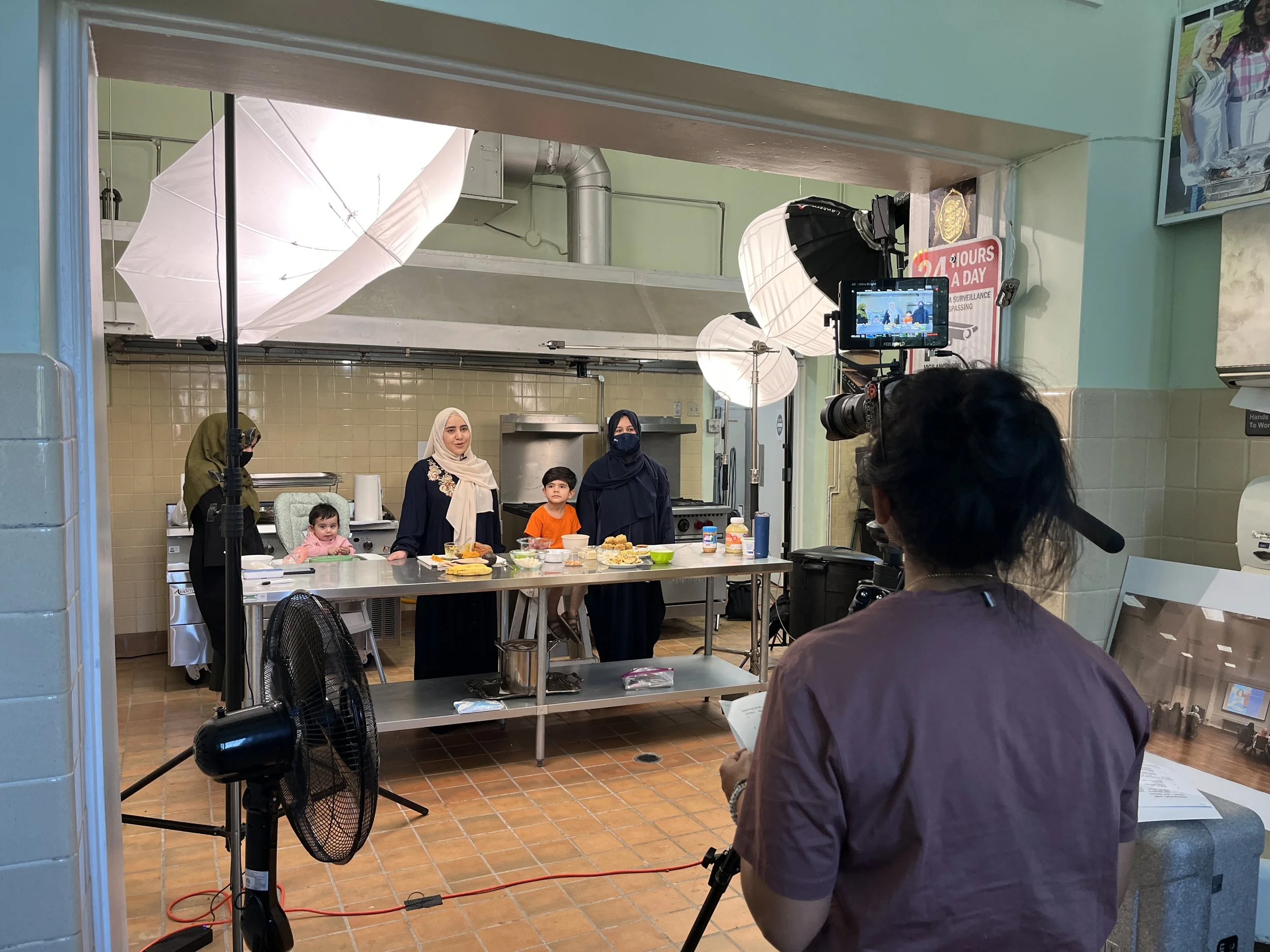
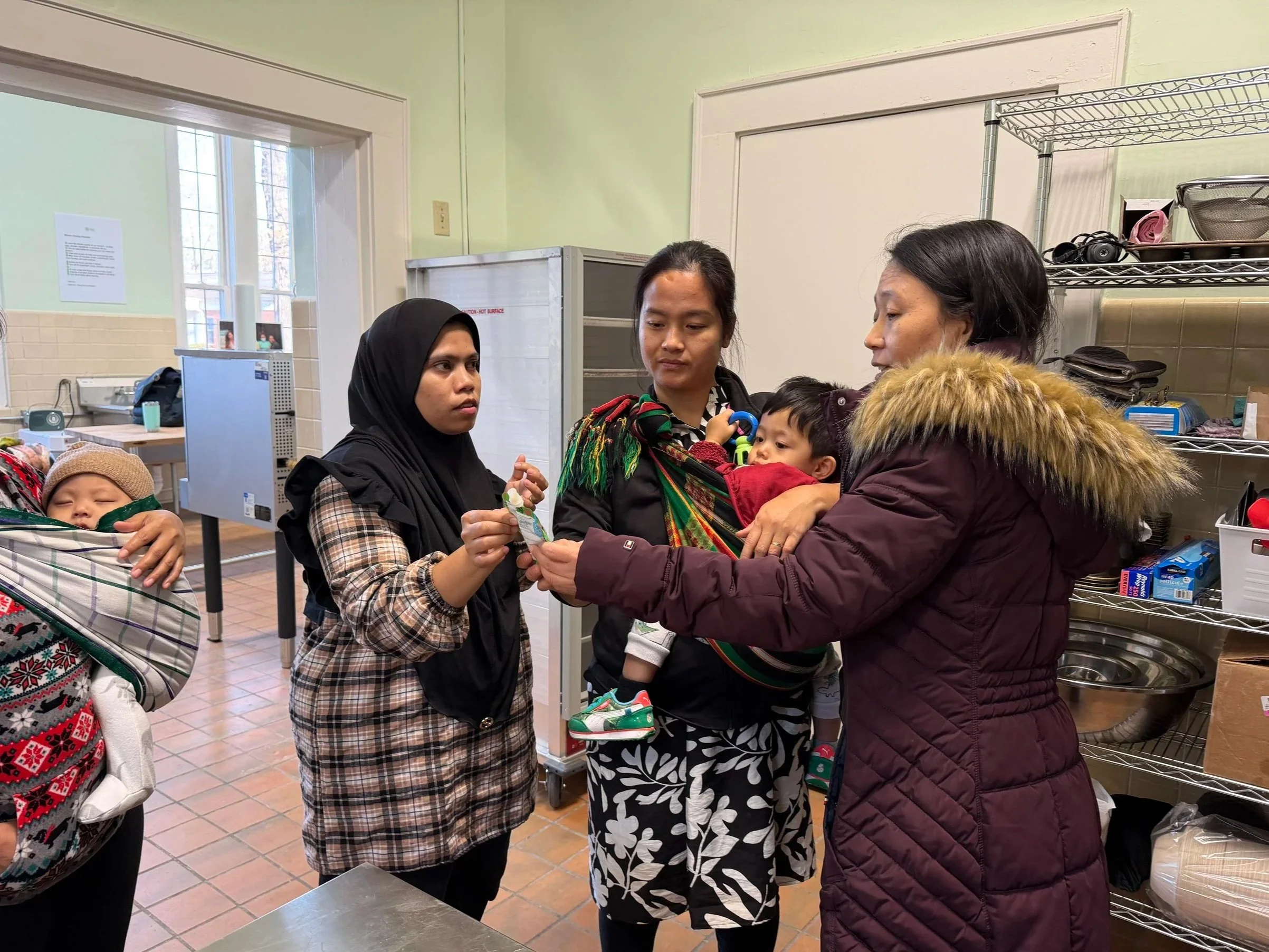
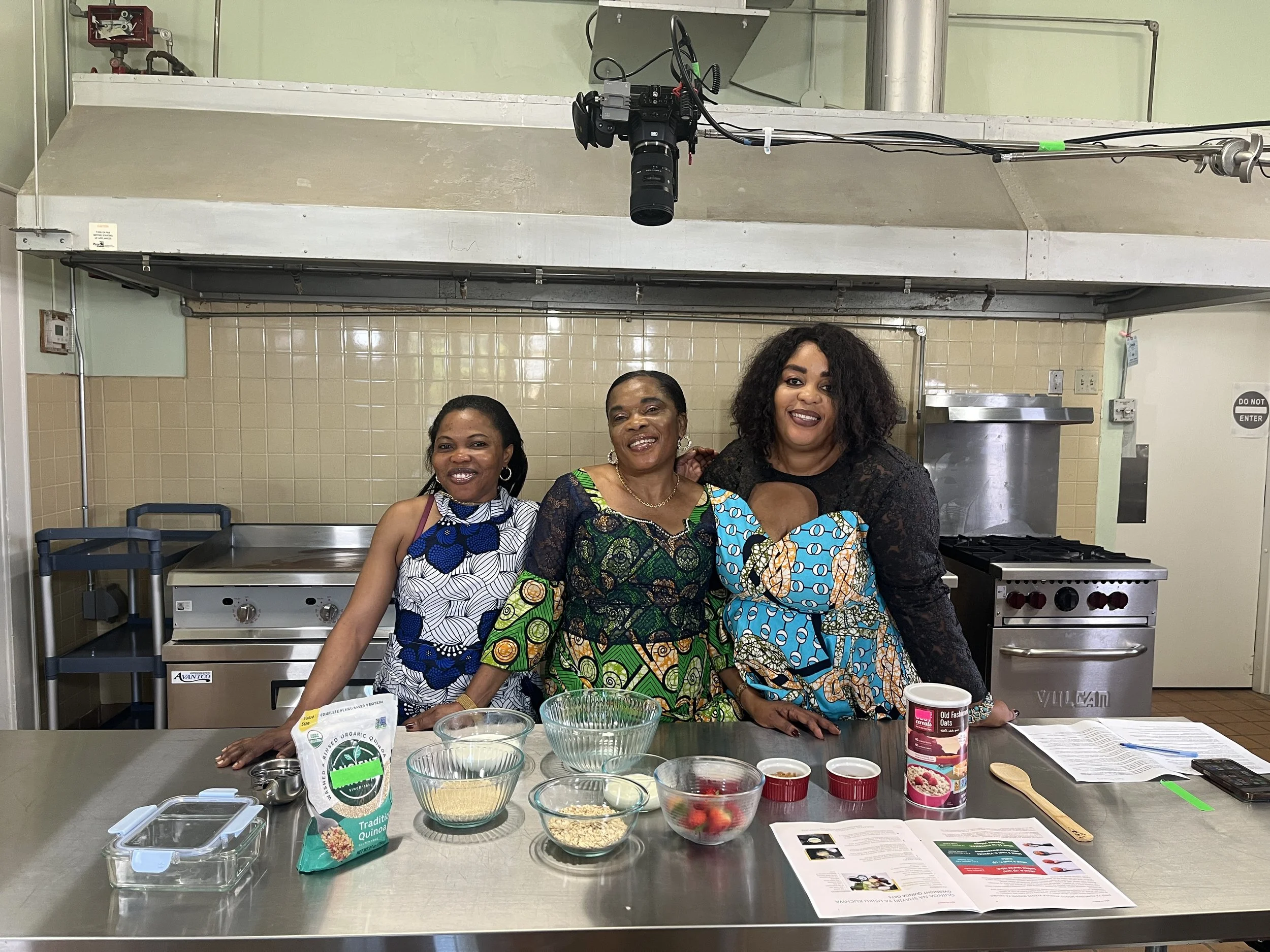
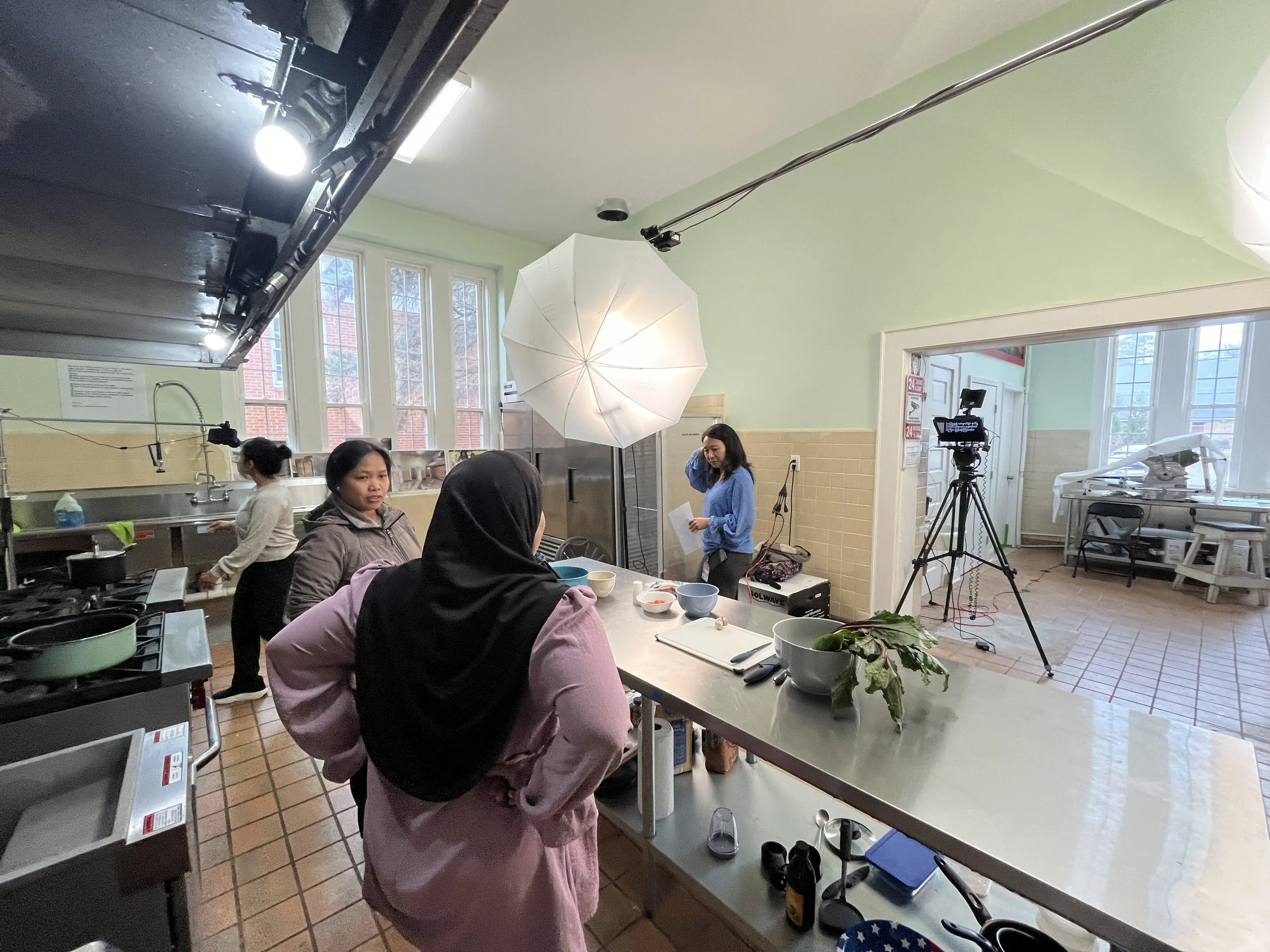
Mothers from Congolese, Afghan, and Burmese communities participated in recurring sessions over several months. Focus groups guided discussions about iron deficiency, cultural food preferences, and safe infant feeding practices. Sessions included a knowledge sharing discussion, a community potluck featuring iron-rich dishes, and a cooking demonstration showing how to prepare iron-rich meals and distinguish healthy snacks from less nutritious options. The final session involved filming educational videos with community members and a culturally adaptive videographer, designed to share practical nutrition guidance with the wider community.
Programming Details
-
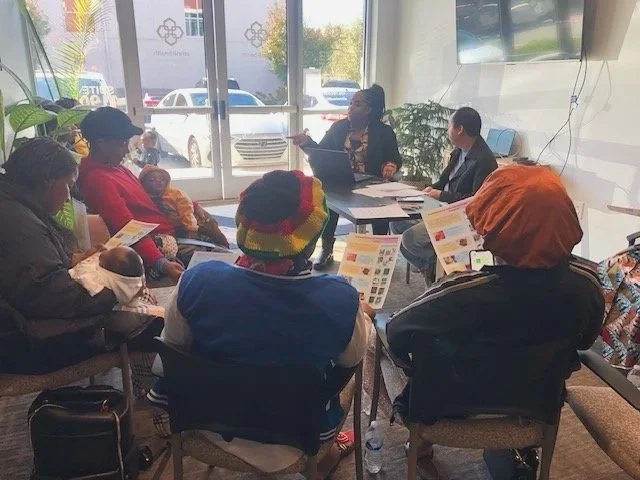
The initial focus group brings the team and mothers together to build trust and introduce the project. We explore what mothers already know about iron deficiency anemia and discuss their current feeding practices at home. The conversation helps us understand cultural food traditions, common concerns, and daily routines. These insights directly inform what we prepare and prioritize for the community potluck session.
-
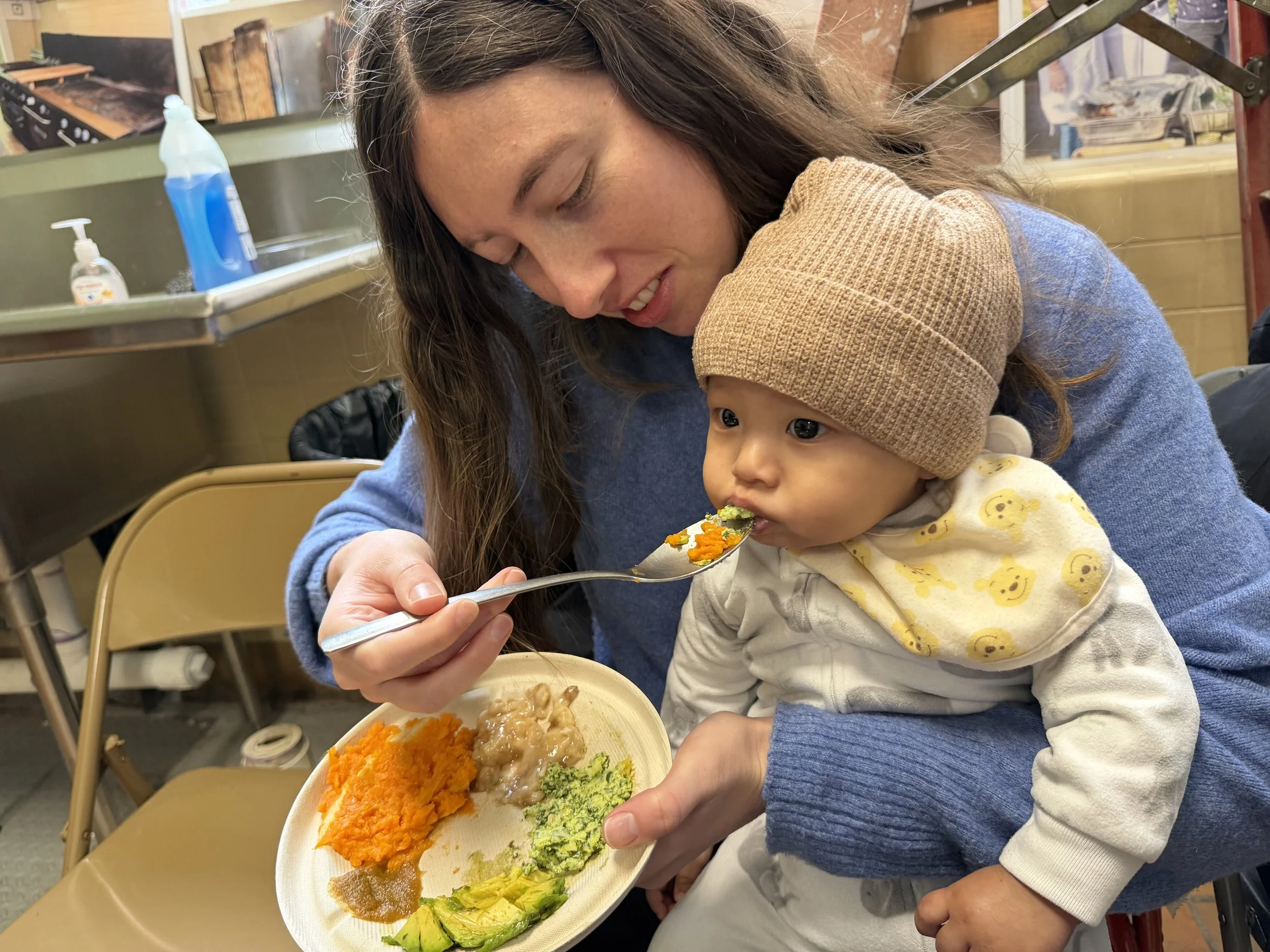
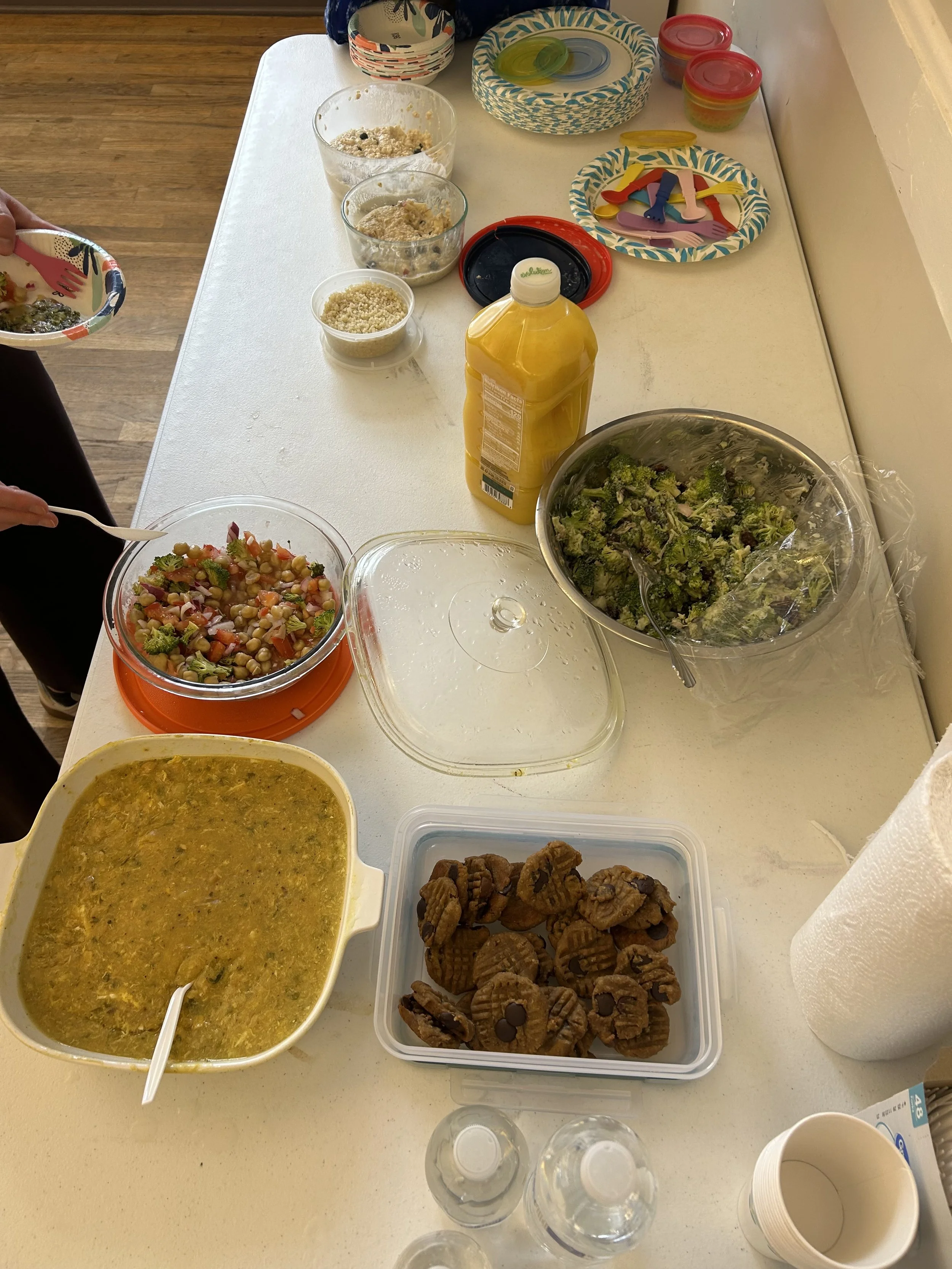
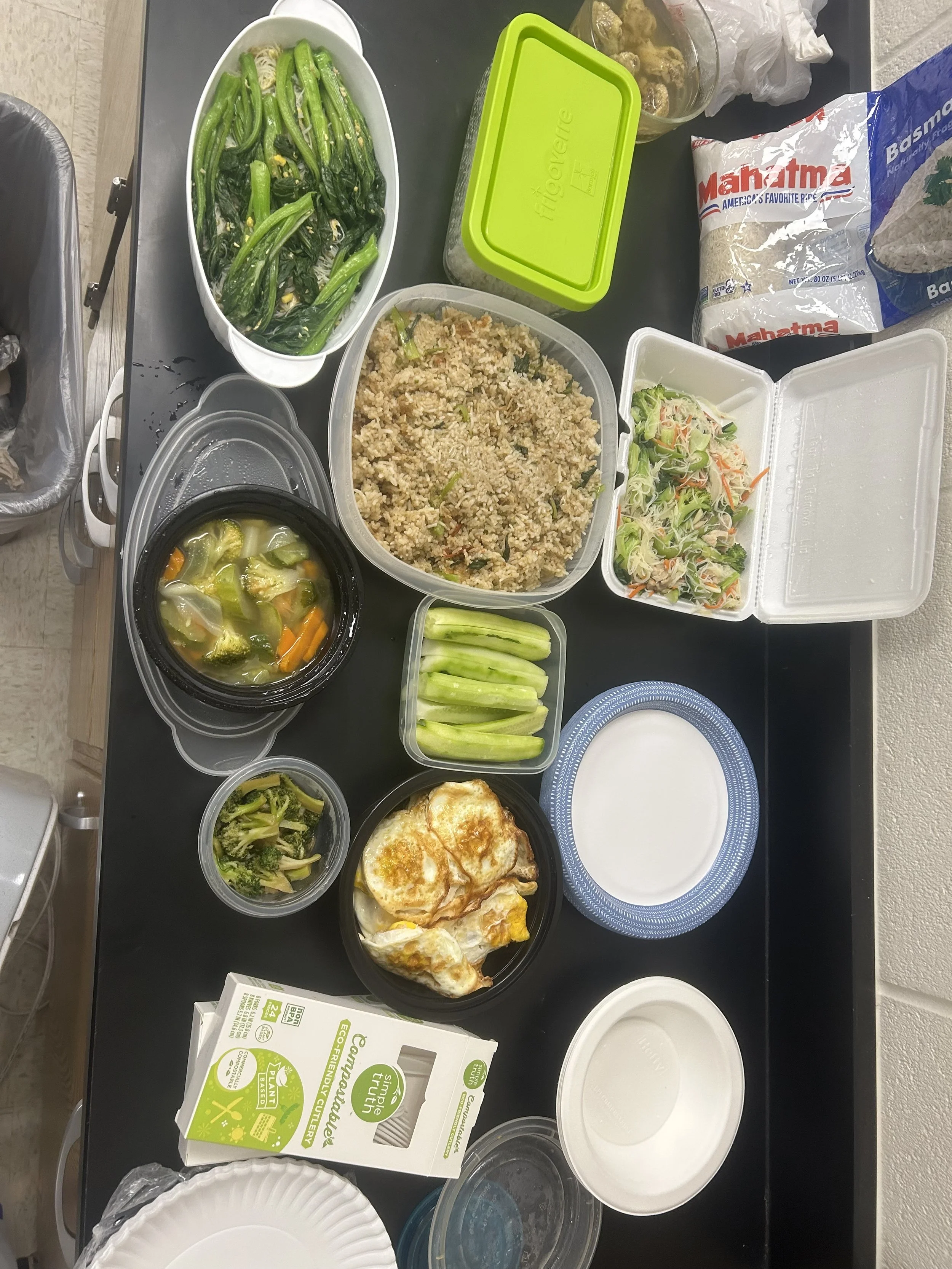
The community potluck creates space to share and celebrate iron-rich cultural dishes. Mothers discuss what they typically feed their babies, including how foods are prepared and served. For example, clinicians like Dr. Laurie Boden at Ethne Clinic have observed that while some diets are iron-rich, babies may only receive broth rather than the meat or iron-containing components. We explore comfort with mashing family meals for infants and ensuring cultural foods are represented in iron education. These sessions deepen understanding while honoring food traditions.
-
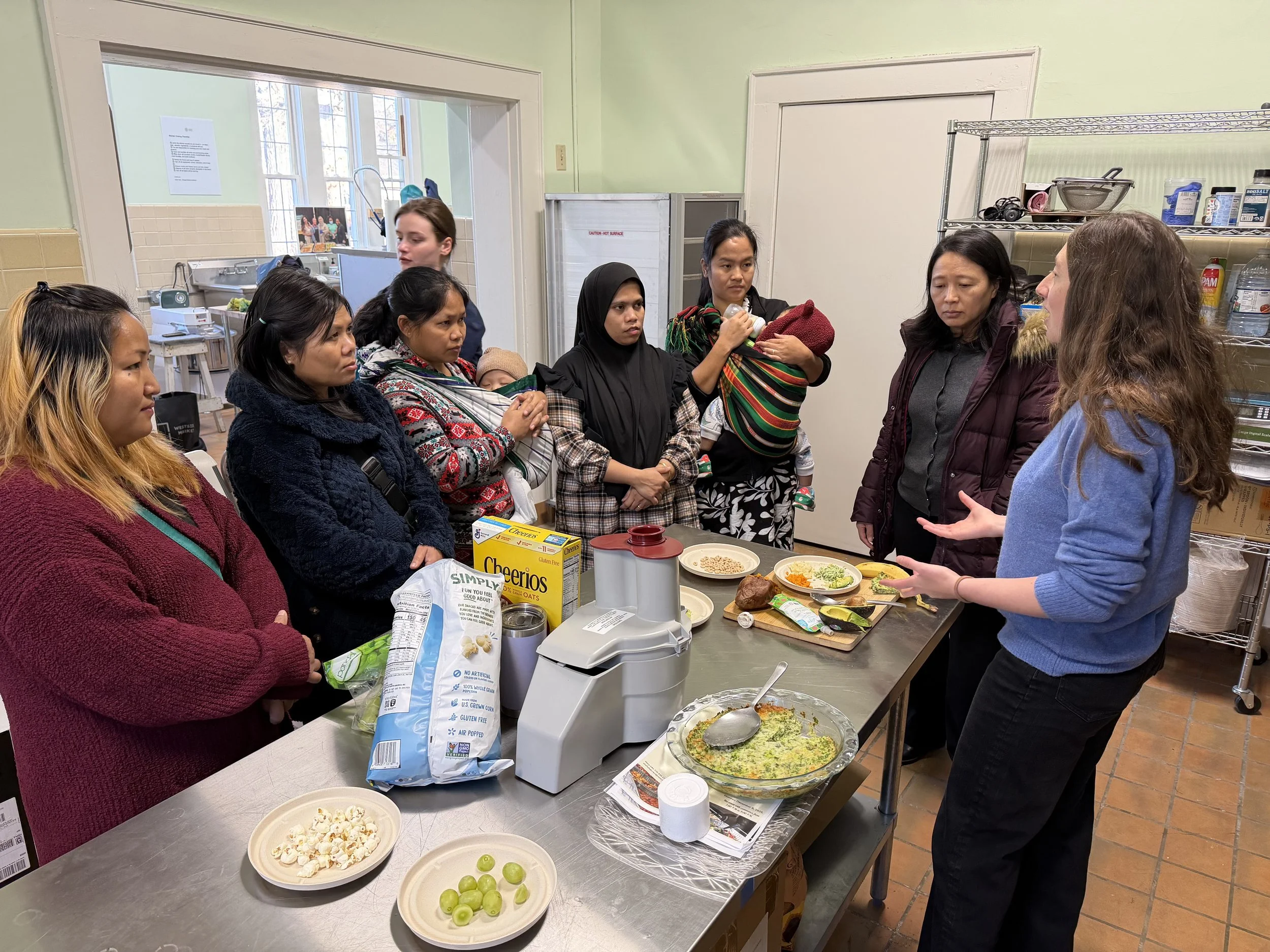
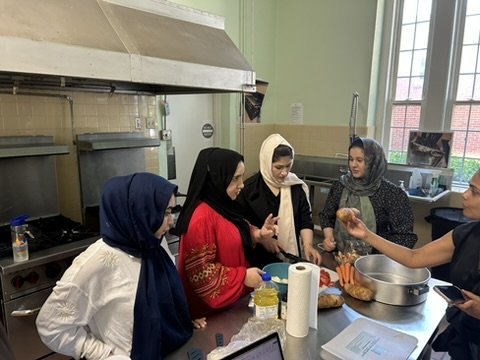
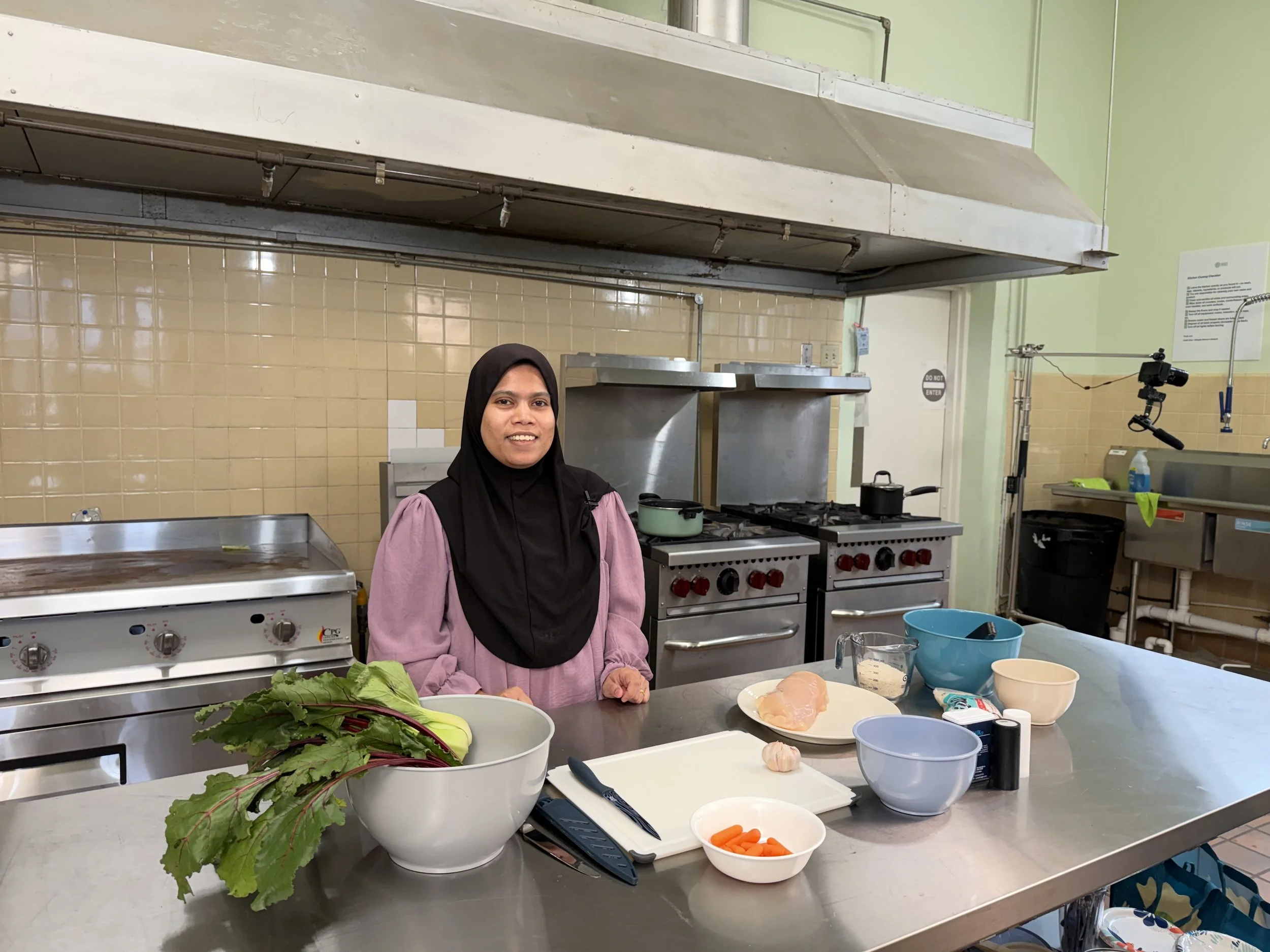
The cooking demonstration focuses on practical, iron-rich recipes requested by mothers. We demonstrate culturally relevant dishes such as enriched rice, quinoa overnight oats, chickpea-enhanced shorba, and spinach meatballs with iron-fortified pasta. We also address specific interests, such as using an oven more confidently. The session creates space for mothers to ask broader nutrition questions while learning hands-on strategies to increase iron intake.
-
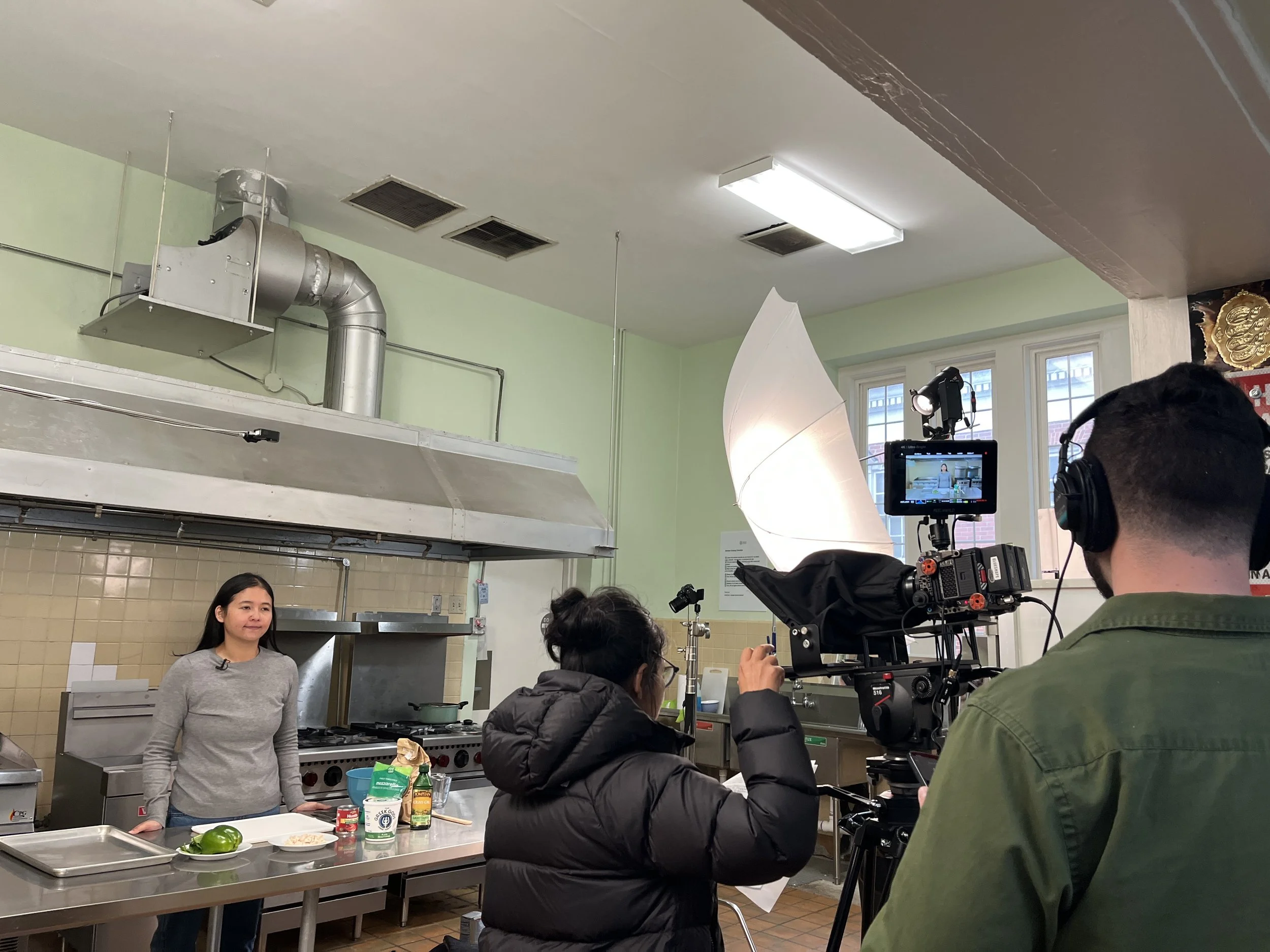
Videos were chosen because women consistently identified them as the most effective way to share information within their communities. Platforms like YouTube make the content easily accessible and familiar. The videographer adapted to cultural needs, such as using voice-overs when Afghan participants preferred wearing masks during filming. This flexible, culture-centered approach ensured comfort, representation, and accessibility while maintaining educational quality
-
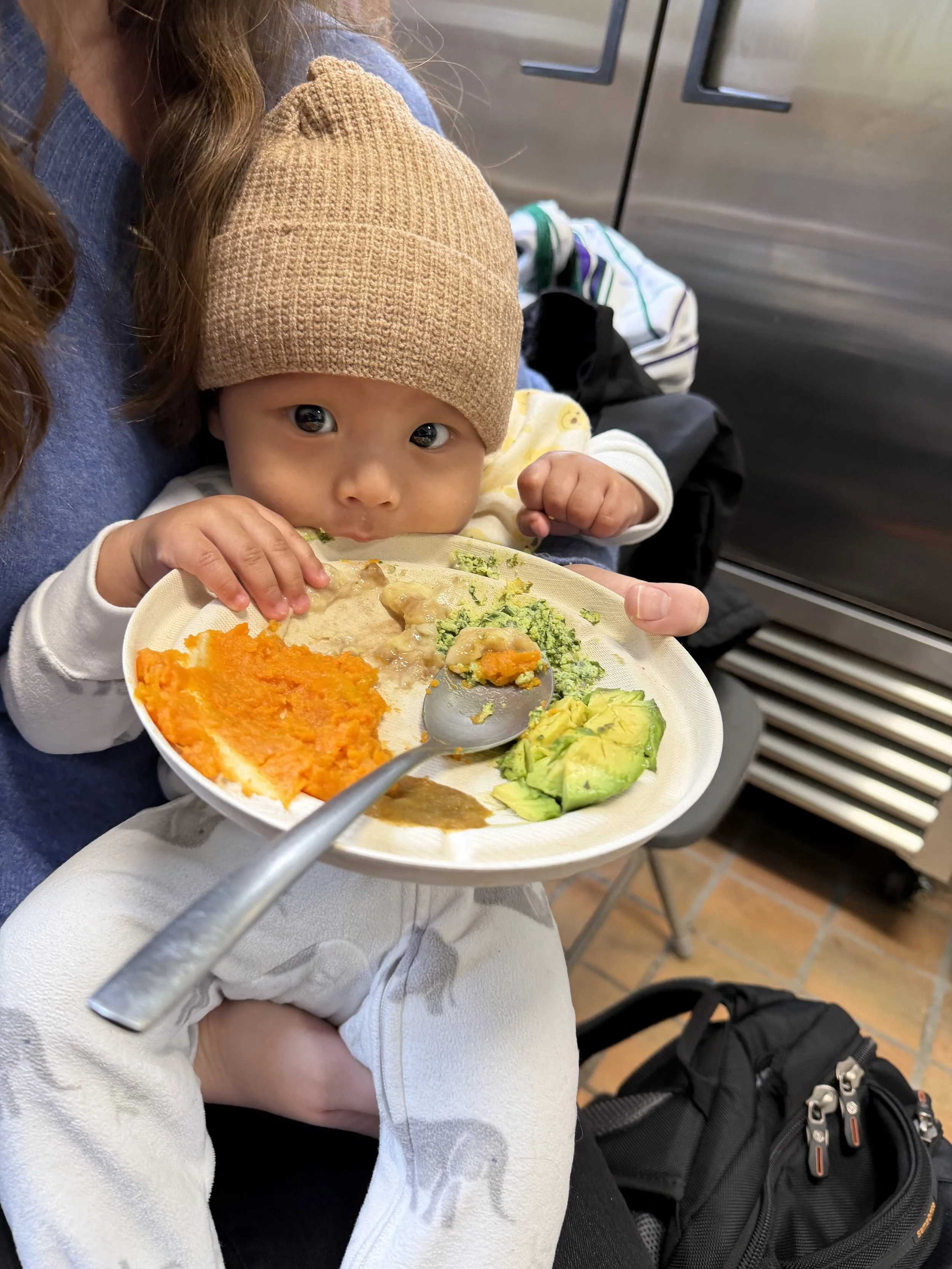
The snack table addresses questions raised by mothers about packaged foods and children’s snacks. Created by our global pediatric resident, Karin, it highlights iron-rich snack options and demonstrates different food textures and consistencies. We discuss safe feeding practices, including choking hazards and allergen introduction. The table also encourages feeding time as an exploratory and positive experience for both parent and child, while clarifying which snacks may be less nutritious.
Program Outcomes
After completing exit interviews with the participants of the program we learned more about what was effective. Mothers expressed that they gained meaningful knowledge about iron-rich foods and safe feeding practices. They emphasized the value of hands-on, practical learning and reported that video resources are a highly accessible and engaging way to reach others, especially those with varying literacy levels.
Why It matters
This project demonstrates the importance of community co-design, participatory approaches, and culturally tailored strategies for improving health education among refugee families. By centering community knowledge and engagement, programs can increase trust, accessibility, and impact while addressing persistent nutrition-related disparities.
Feedback from Healthy Beginnings Participants
“I have all the programs we did on my mind when I'm cooking. Definitely there's a lot of changes that came. I'm looking at what I add, what ingredient have which benefits"
- Congolese Healthy Beginnings Participant
"I am also a new mom. I learn about which food is good for my kids, especially the essentialness of iron and which food has iron"
- Burmese Healthy Beginnings Participant
"I am pregnant and I am using more iron rich recipes and I feel good"
- Afghan Healthy Beginnings Participant
Healthy Beginnings Cookbooks
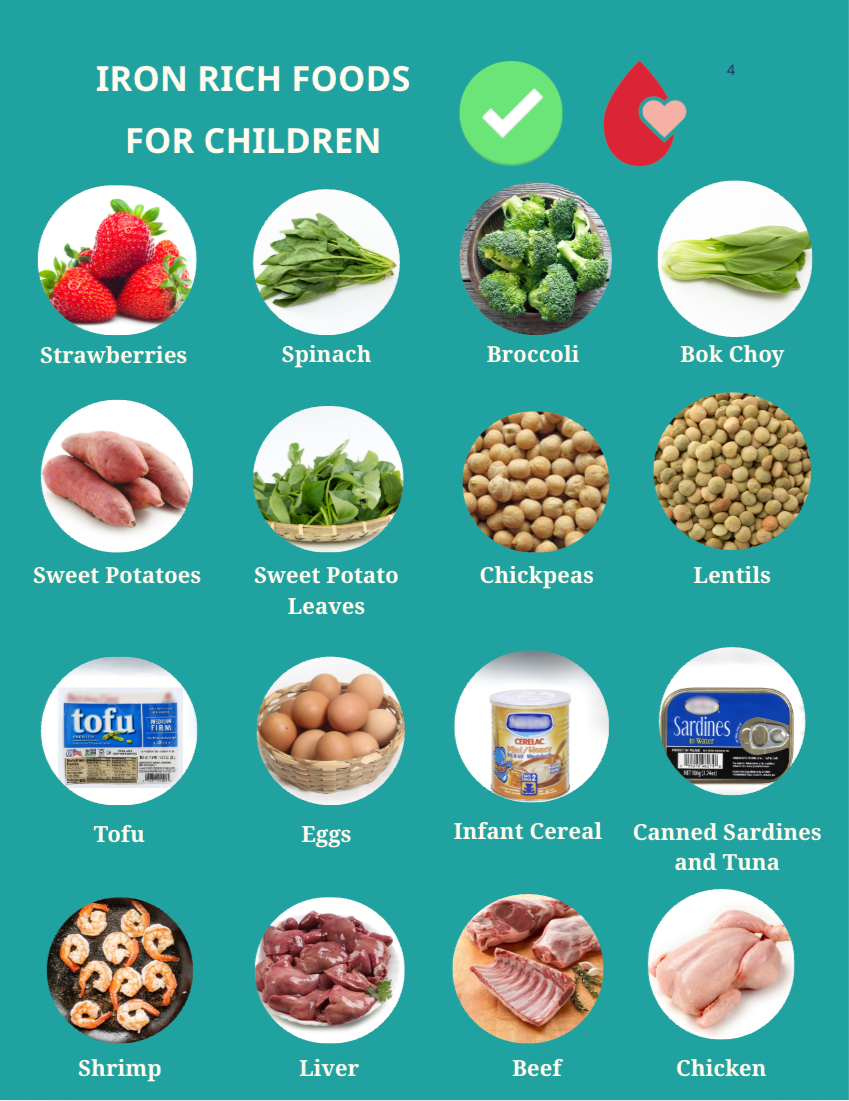
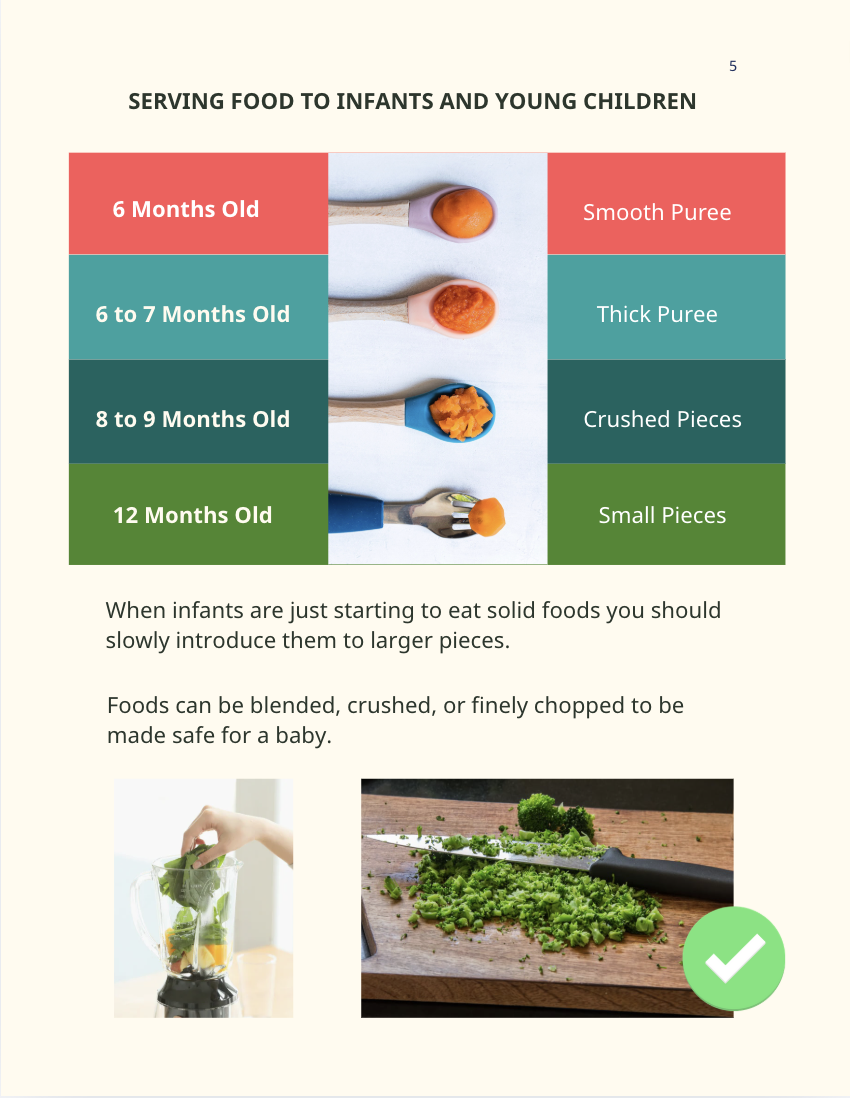
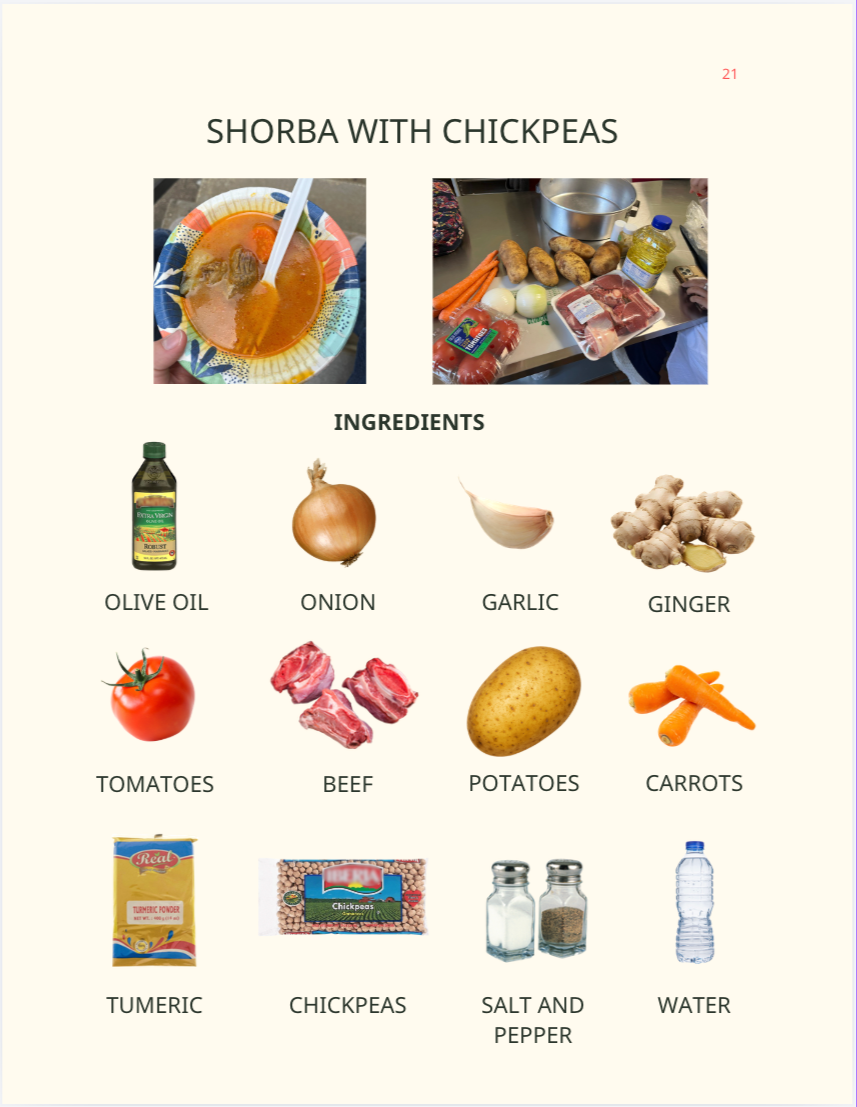
Cookbooks were created through a thoughtful, community-informed process shaped by feedback from mothers and our Community Health Workers. We focused on making the content clear, practical, and visually engaging so that it would be easy to use in everyday kitchens. Recipes were simplified to include a small number of accessible ingredients and straightforward preparation methods that reflect how families are already cooking. Photographs of ingredients and familiar store packaging help families confidently identify items while shopping. The final cookbooks will be available in multiple languages to ensure they are accessible to the communities they were designed to serve.
Developing the cookbooks
Highlighting Iron-Rich Recipes Through Culture
Each cookbook centers iron-rich foods within culturally familiar meals. The recipes build on foods families already prepare and enjoy, offering simple ways to increase iron content. The cookbooks also introduce recipes that participants have expressed interest in learning. Visual guidance shows how meals can be modified for young children, including changes in texture and preparation. By combining practical nutrition education with culturally meaningful recipes, the cookbooks support families in improving iron intake while centering their food.
Interested In supporting this Work?
We welcome conversations with individuals and organizations who are passionate about improving child health outcomes. Please contact us to learn more about partnership and funding opportunities.
To contact us please email Temple Moore, Director of Community Wellness, at temple.moore@riwn.org
Interested In Becoming An Implementation Site?
We want to partner with health providers to disseminate our resources. If you are a health provider or know of someone who may be interested please contact us to discuss how we can coordinate
Healthy Beginnings Partners
Global Health Office of Pediatrics at Emory